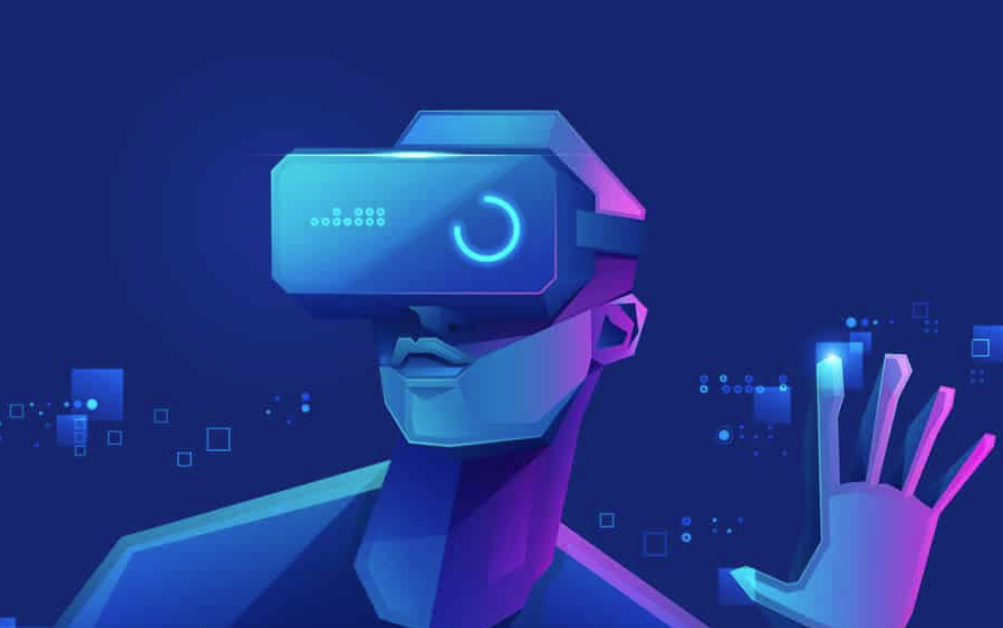
Virtual Reality creates immersive 3D environments through headsets and sensors, aligning sight, sound, and touch with user actions. It offers embodied feedback, scalable skills, and safe spaces for experimentation. The path requires careful hardware choices, accessibility, and curated content. Safety, privacy, and governance shape responsible use. Inclusive design and transparent data practices matter as the field evolves. The question remains: how will these digital worlds reshape learning, work, and connection once more people step inside?
What VR Is and Why It Captivates Us
VR, or virtual reality, is a computer-generated simulation that immerses users in interactive, three-dimensional environments through head-mounted displays and motion-tracking sensors.
The technology creates immersive experiences by aligning visual, auditory, and haptic feedback with user actions, shaping immersion psychology.
Sensory interfaces coordinate inputs across devices, enabling intuitive exploration.
This convergence defines VR’s appeal: controlled immersion paired with transparent user agency and measurable outcomes.
See also: Virtual Reality in Business Innovation
How VR Transforms Learning, Play, and Connection
How does immersive technology reshape how people learn, play, and connect? VR advances immersive pedagogy by aligning cognition with interactive scenarios, enabling embodied practice, feedback, and scalable skill transfer.
In play, it scaffolds experimentation with rules and consequences, enhancing motivation and creativity.
Social presence amplifies collaboration and empathy, fostering shared intention and trusted communication across diverse environments.
Choosing Your VR Path: Hardware, Accessibility, and Content
The analysis centers on hardware choices and platform ecosystems, balancing performance, comfort, and value.
Accessibility options are evaluated for inclusive use, with clear criteria for motion, control, and sensory accommodations.
Content selection aligns with goals, ensuring practical freedom through purposeful, supported exploration.
Navigating the VR Frontier: Safety, Privacy, and the Future Directions
As the VR frontier expands, safety, privacy, and forward-looking directions emerge as core imperatives guiding responsible adoption and ongoing innovation.
The discussion centers on clear risk governance, user empowerment, and transparent data practices.
Privacy concerns shape policy design, while data minimization limits exposure.
Technical measures—encryption, consent, and auditability—support trustworthy experiences, enabling freedom through accountable, accessible, and sustainable immersive technologies.
Frequently Asked Questions
How Does VR Affect Long-Term Cognitive Health and Sense of Reality?
VR exposure affects long term cognitive health and sense of reality variably; motion sickness and eye strain may occur, while career opportunities and the VR industry expand. Inclusion of diverse abilities, costs beyond hardware, and beginner budgets shape adoption.
Can VR Experiences Cause Motion Sickness or Eye Strain Long-Term?
VR experiences can induce motion sickness and eye strain; effects may persist with prolonged use. VR fatigue and helmet hygiene emerge as factors, suggesting regular breaks and meticulous headset maintenance to mitigate long-term discomfort and preserve user autonomy.
What Career Opportunities Exist in the VR Industry Beyond Development?
One compelling statistic: 46% of VR roles prioritize UX research and project management. In the VR industry, opportunities exist beyond development, including UX research to optimize experiences and project management to coordinate cross-disciplinary teams and timelines with precision.
How Inclusive Are VR Platforms for Diverse Abilities and Cultures?
VR platforms show varying levels of inclusive design and cross cultural usability; some systems adapt to diverse abilities and regions, while others lag. Designers prioritize accessibility features, multilingual interfaces, adjustable input methods, and culturally aware content to broaden freedom of use.
What Costs Should Beginners Anticipate Beyond Hardware Purchases?
Begins by identifying ongoing costs: subscription services, software updates, and calibration hardware maintenance. Future proofing considerations include modular accessories and platform compatibility, while data privacy concerns demand secure accounts and careful permission management. Ongoing expenses are essential for accessible exploration and freedom.
Conclusion
In sum, virtual reality blends perception, interaction, and data into immersive digital spaces with real-world implications. It supports experiential learning, scalable skills, and social presence, while demanding thoughtful hardware choices, accessible design, and clear governance. Privacy and safety must undergird every deployment, from classroom simulations to collaborative worlds. Like a compass guiding explorers, clear standards and transparent practices keep exploration purposeful and inclusive. This frontier invites disciplined curiosity, turning boundless digital worlds into usable, meaningful experiences.
